
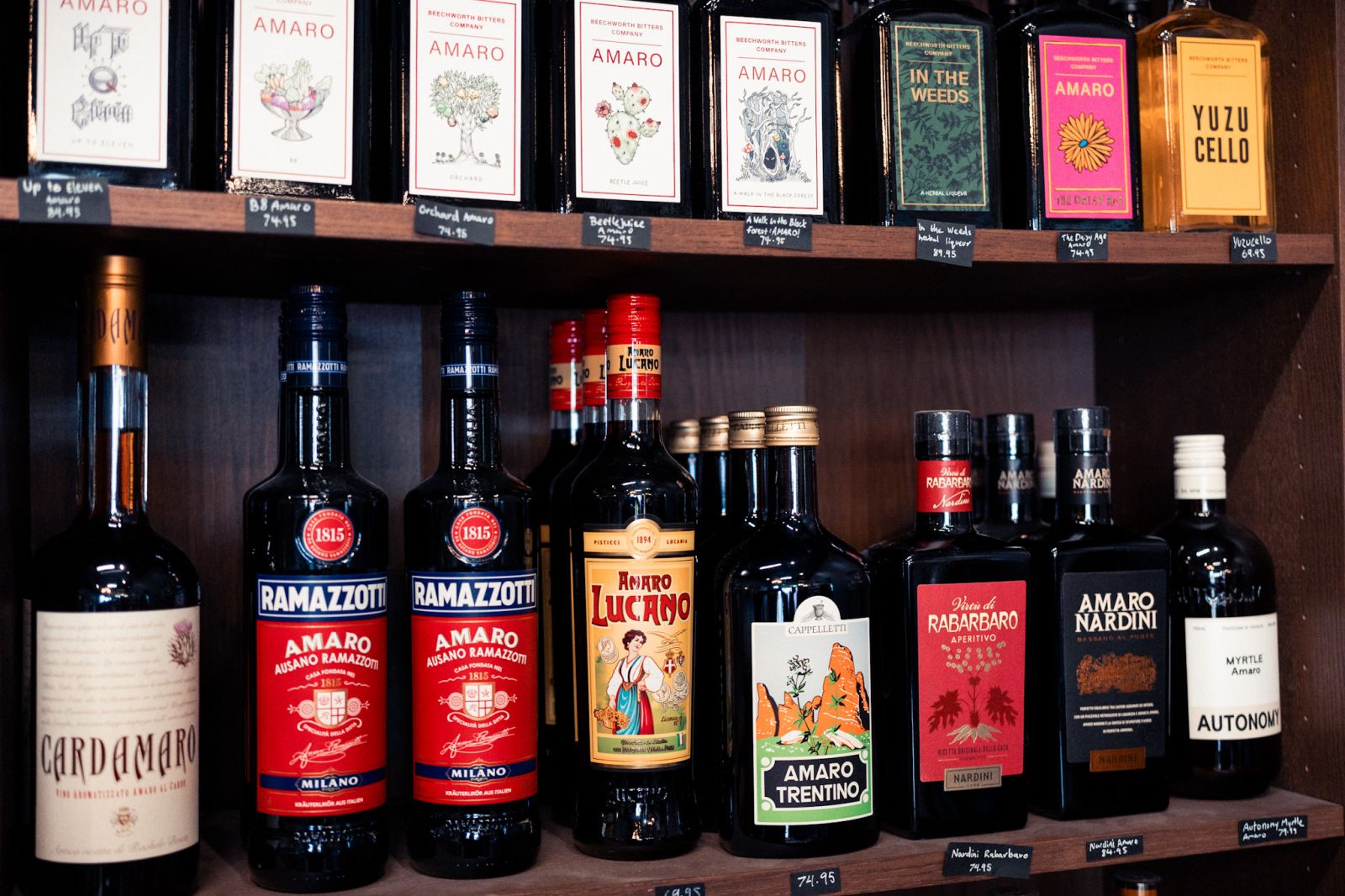
Amaro—the Italian word for "bitter"—refers to a celebrated category of aromatic, bittersweet liqueurs. Traditionally enjoyed as a pre-dinner aperitivo to stimulate the appetite or a post-meal digestivo to aid digestion, amaro has deep roots in Italian culture.
How It’s Made
These complex spirits are crafted by macerating or distilling a blend of botanicals—including bitter barks, roots, herbs, citrus peels, and spices—in a base of neutral alcohol, brandy, or wine. After blending, most amari are rested, and some are aged in barrels for months or even years to develop layered complexity.
The Flavour Profile
While common bittering agents like gentian root, wormwood, and cinchona bark form the foundation, a single recipe can feature anywhere from a handful to over 40 secret ingredients, such as saffron, rhubarb, and mint. Consequently, amaro spans a massive spectrum: alcohol content ranges from 16% to 40% ABV, sweetness moves from syrupy to bone-dry, and flavors shift from bright citrus and florals to deep, medicinal herbs.
Amaro vs. Cocktail Bitters
While they share a similar botanical DNA, the main difference lies in how they are consumed. Amaro is "potable"—meant to be poured and enjoyed on its own. Cocktail bitters, by contrast, are highly concentrated, high-proof, and designed to be used by the dash.
A Rich History
Amaro originated in medieval monasteries, where monks formulated secret, alcohol-based tonics using local ingredients—like alpine herbs in the north of Italy or bitter oranges in Sicily—for medicinal use. It wasn't until after World War II that amaro successfully transitioned from a health remedy into the commercial, pleasure-first beverage we love today.
The Science of Bitter: Why It Works
Humans have a natural, genetic predisposition to avoid bitter flavors. Evolutionarily, we are hardwired to associate bitterness with potential toxicity. Because of this, the moment your brain detects a bitter taste, it triggers a physical defense mechanism: your body immediately kick-starts the digestive system, producing an influx of saliva and gastric juices to process and dispel what you have ingested.
It is this exact biological reaction that makes amaro so effective. When consumed before a meal, it awakens the palate and increases appetite; when enjoyed afterward, those same gastric juices help settle the stomach and accelerate digestion.
While every amaro recipe is unique, most rely on a core foundation of bittering agents. Here is how the three most common ingredients shape the flavor profile:
Gentian Root | Bright, Clean & Earthy - The undisputed backbone of many classic amari, gentian brings a remarkably clean, intensely bitter punch that grounds the lighter, sweeter botanicals in a blend.
Wormwood | Musky, Heavy & Herbaceous - Famous for its role in absinthe and vermouth, wormwood offers a deep, heavy bitterness with a distinct, musky herbal aroma that lingers beautifully on the palate.
Cinchona Bark | Dry, Woody & Structured - The source of natural quinine, cinchona adds a bone-dry, wood-forward bitterness. It provides excellent structure, preventing the liqueur from feeling overly syrupy or sweet.
The Challenge of Classification
Categorising amaro is notoriously difficult. Unlike whiskey or tequila, amaro has no strict legal definition or universal production rules. The base liquid can be a neutral grain spirit, grappa, brandy, or wine. Producers are free to use any botanical they choose, and the balance of sweetness and bitterness varies wildly from bottle to bottle. Even the choice of sweetener isn't standard—while sugar is common, honey frequently makes an appearance.
Colour is another wild card. While traditional amari get their dark hue from natural caramelisation, popular bottles like Aperol and Campari are artificially coloured. In Italy, these lighter, vibrant expressions are often referred to using the English term "bitter" or "aperitivo bitters" rather than amaro.
To help demystify this vast spirit category, we can broadly organize amari into a few core styles.
Aperitivo Bitters
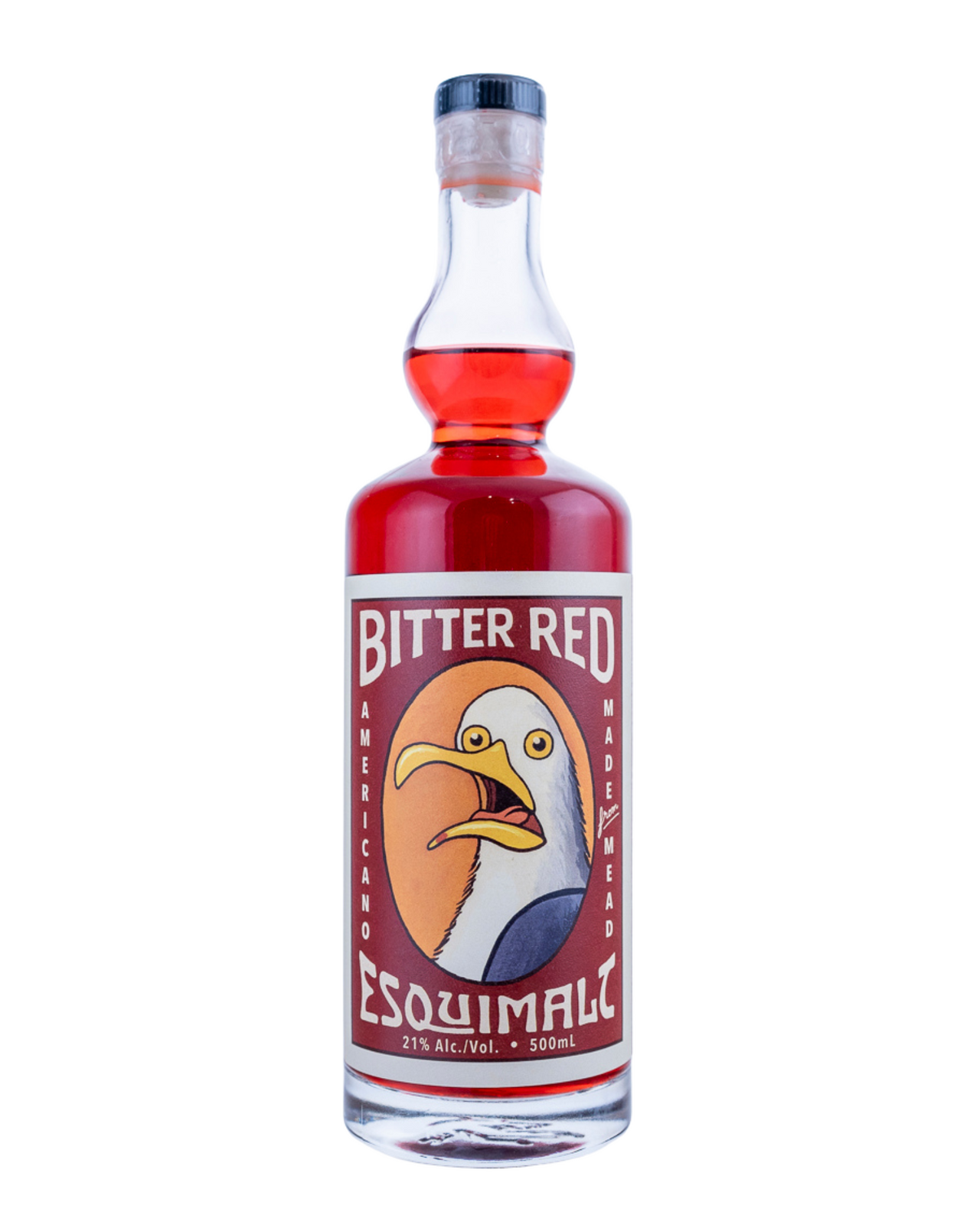
The defining characteristic here is visual. Instead of the deep, caramel-toned hues of traditional amaro, these are dyed bright orange or red (though historically colored with natural ingredients like cochineal beetles). They are vibrant, punchy, and designed to open a meal.
Examples: Campari, Okar Bitter, Esquimalt Bitter Red, Maidenii Roselle, Beechworth Bitters Beetle Juice
Light & Citrus
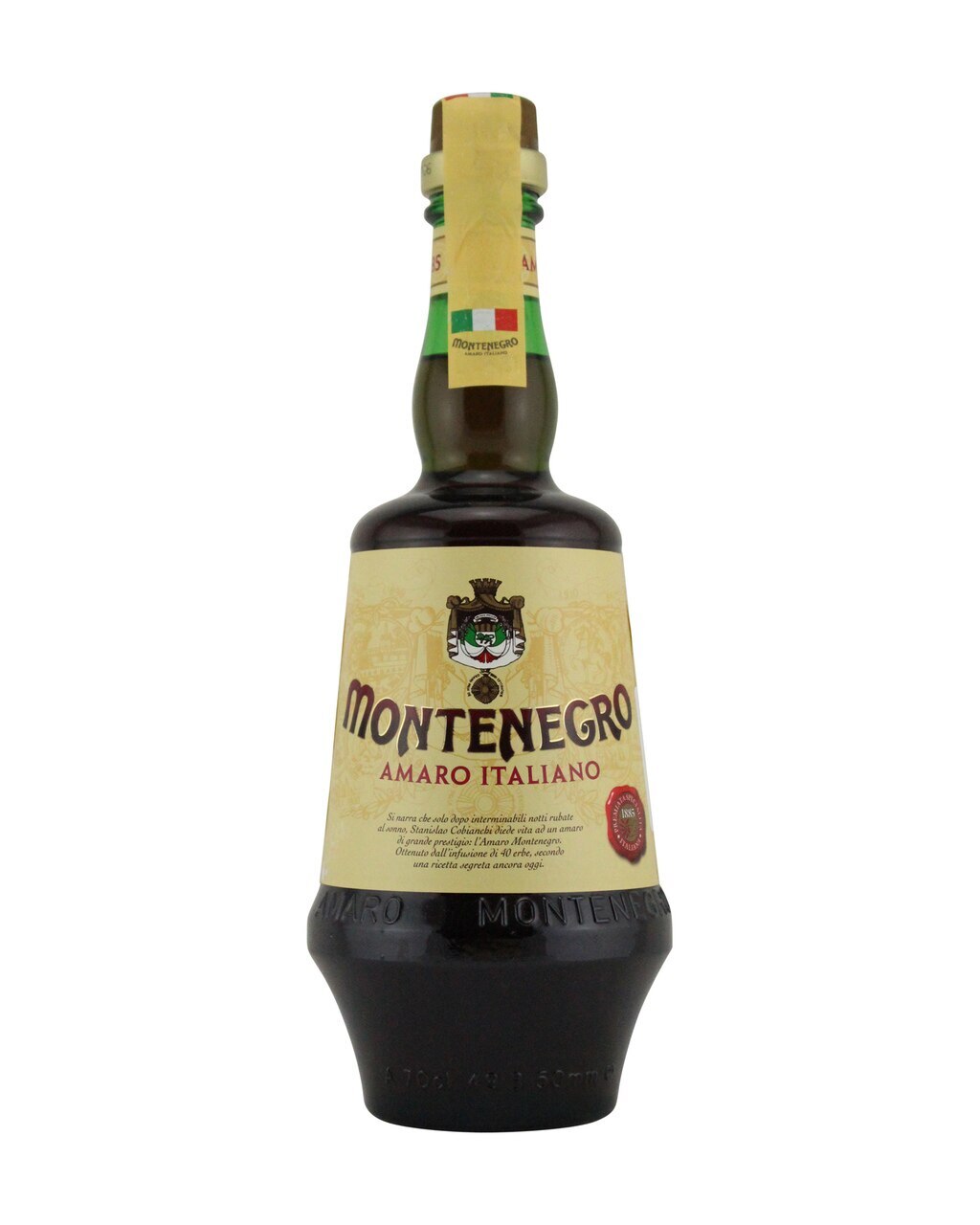
Typically hailing from southern Italy where citrus groves thrive, these expressions focus heavily on bright fruit peels. They lean sweeter, offer a gentler bitterness, and are highly approachable for beginners.
Examples: Amaro Montenegro, Amaro Nonino, Beechworth Bitters Orchard
Alpine
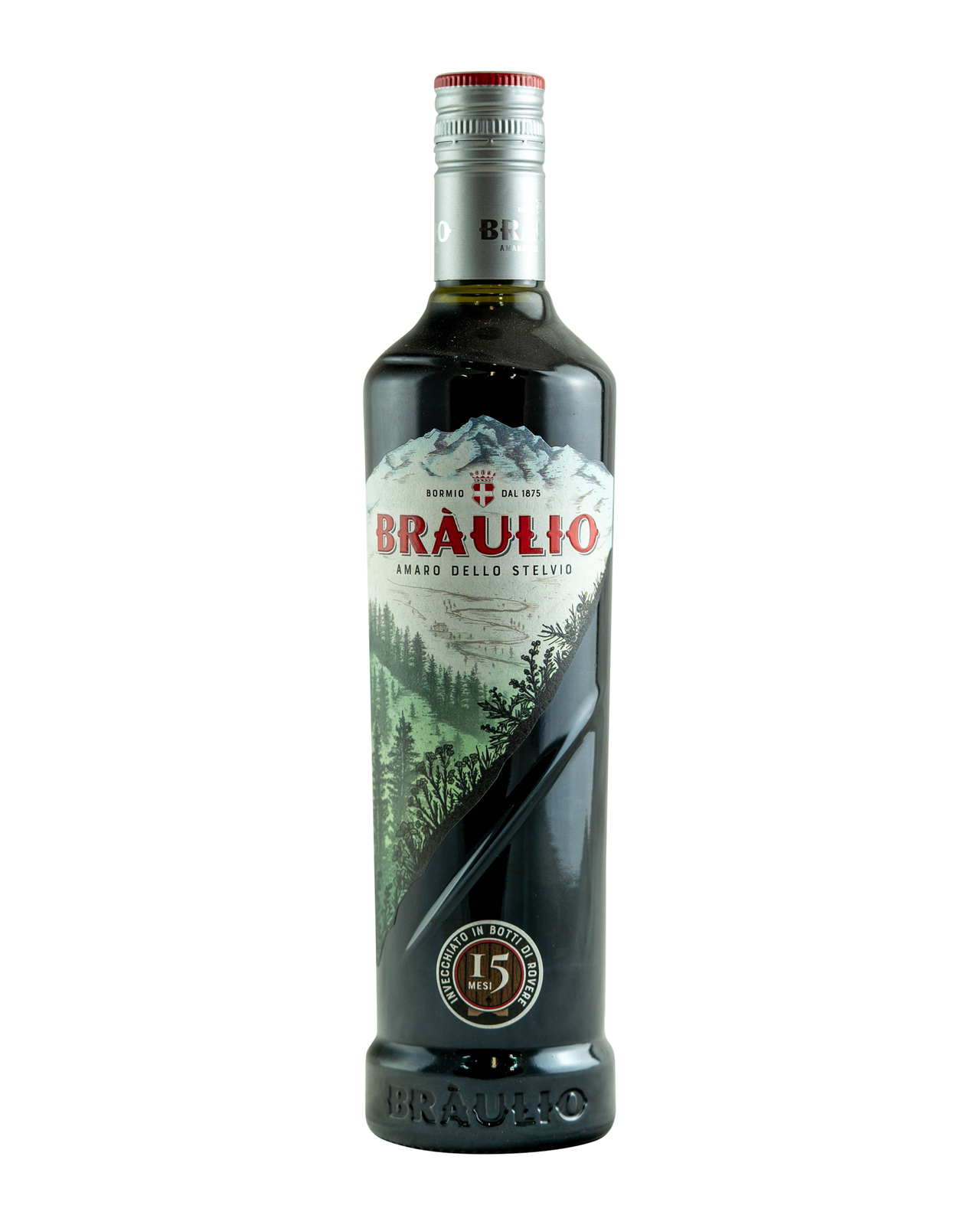
Sourced from the high-altitude regions of northern Italy, alpine amari are bracingly bitter and noticeably less sweet. They lean heavily on pine, bark, and mountain herbs, often leaving a cool, mentholated finish on the palate.
Examples: Braulio, Alta Verde, Amaro Alpino
Cola-esque
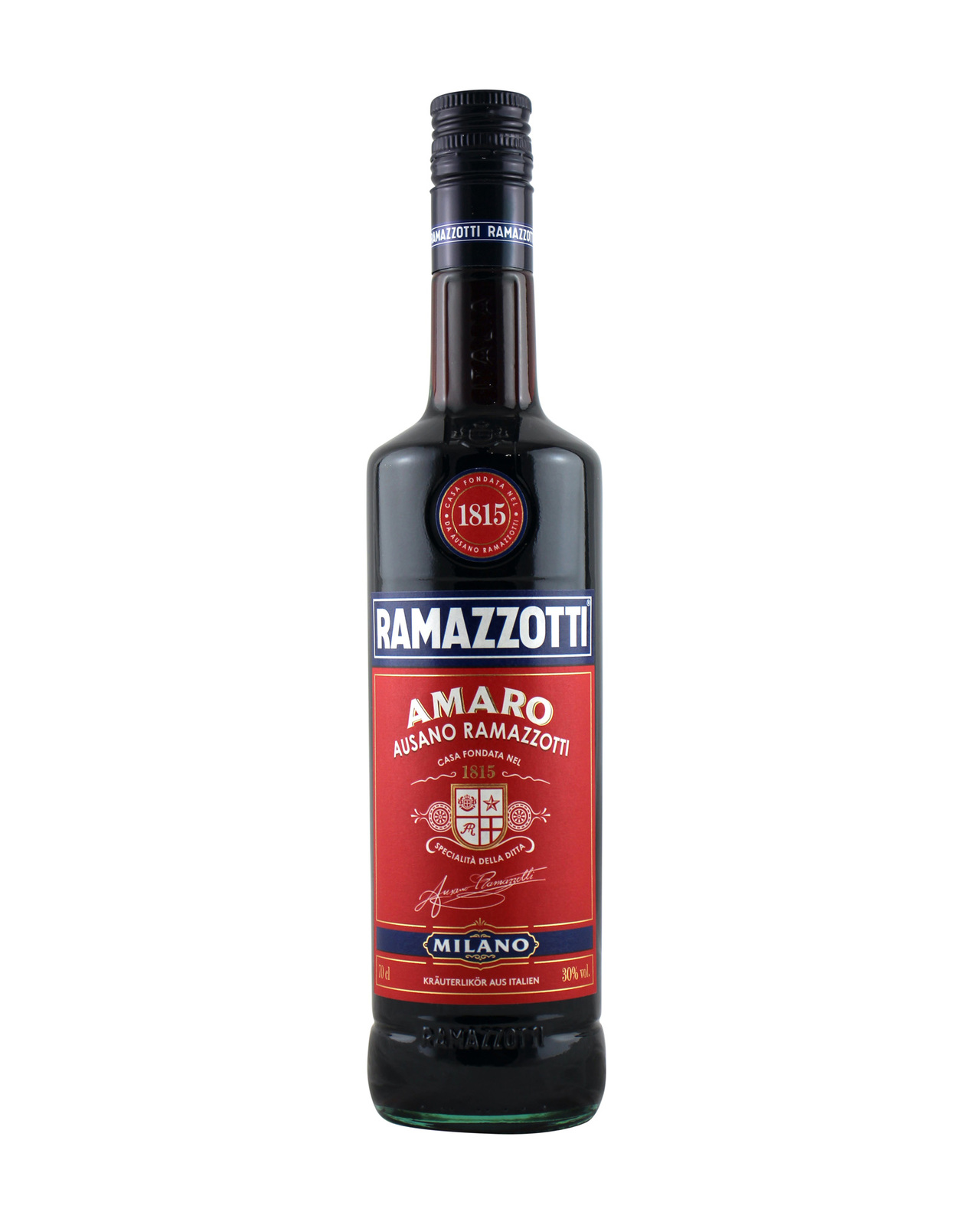
Produced all over Italy, this balanced, dark, and spice-driven style strikes a crowd-pleasing middle ground between sweetness and bitterness. The unifying trait is a distinct, nostalgic flavour profile reminiscent of cola.
Examples: Amaro Averna, Amaro Lucano, Ramazzotti
Carciofo (Artichoke)
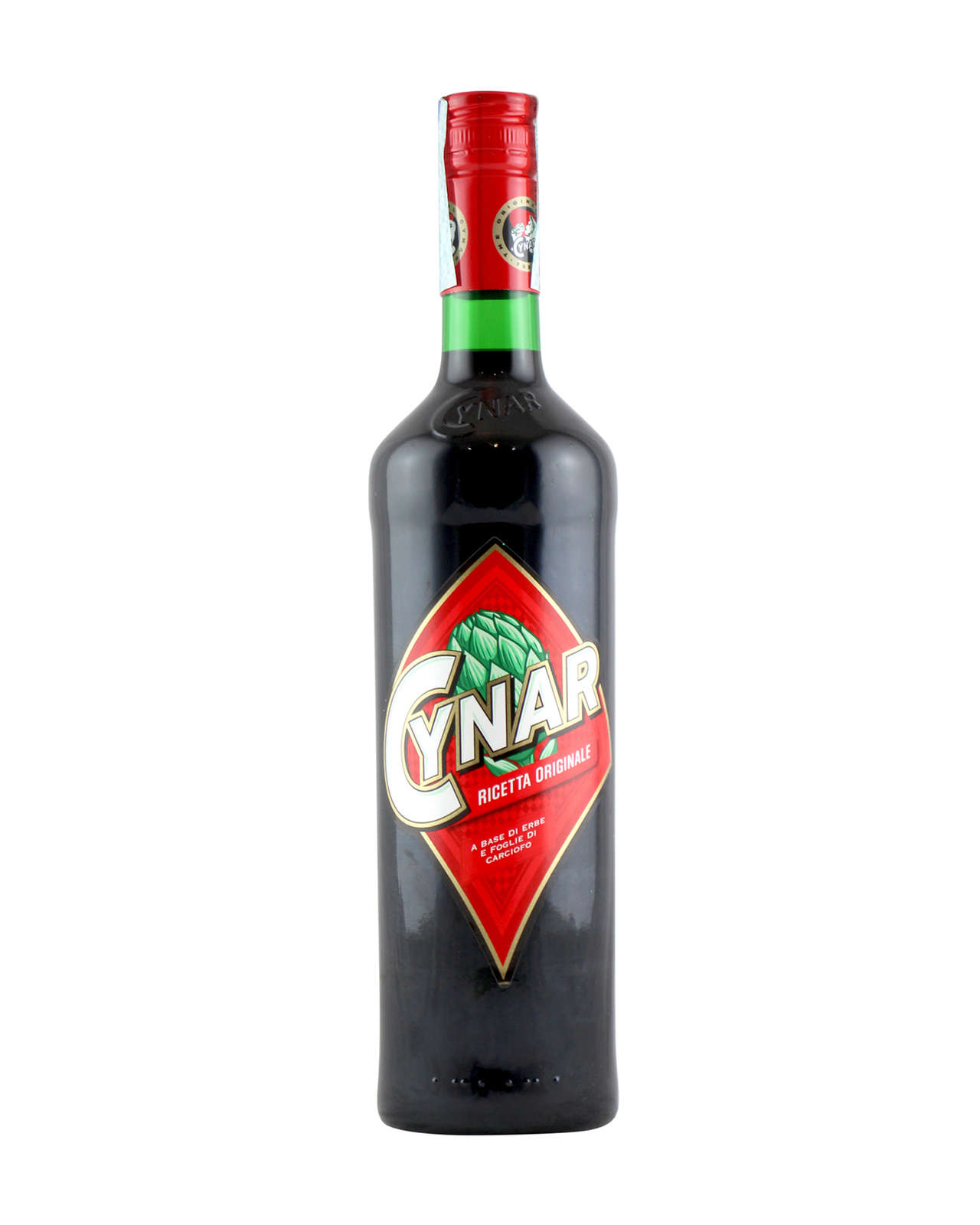
A small but deeply revered niche, carciofo amari are primarily flavored with artichoke leaves or cardoon thistle. Don't expect it to taste like a vegetable side dish, though; it yields a rich, deeply savory, and pleasantly earthy bitterness.
Examples: Cynar, Cardamaro
Fernet
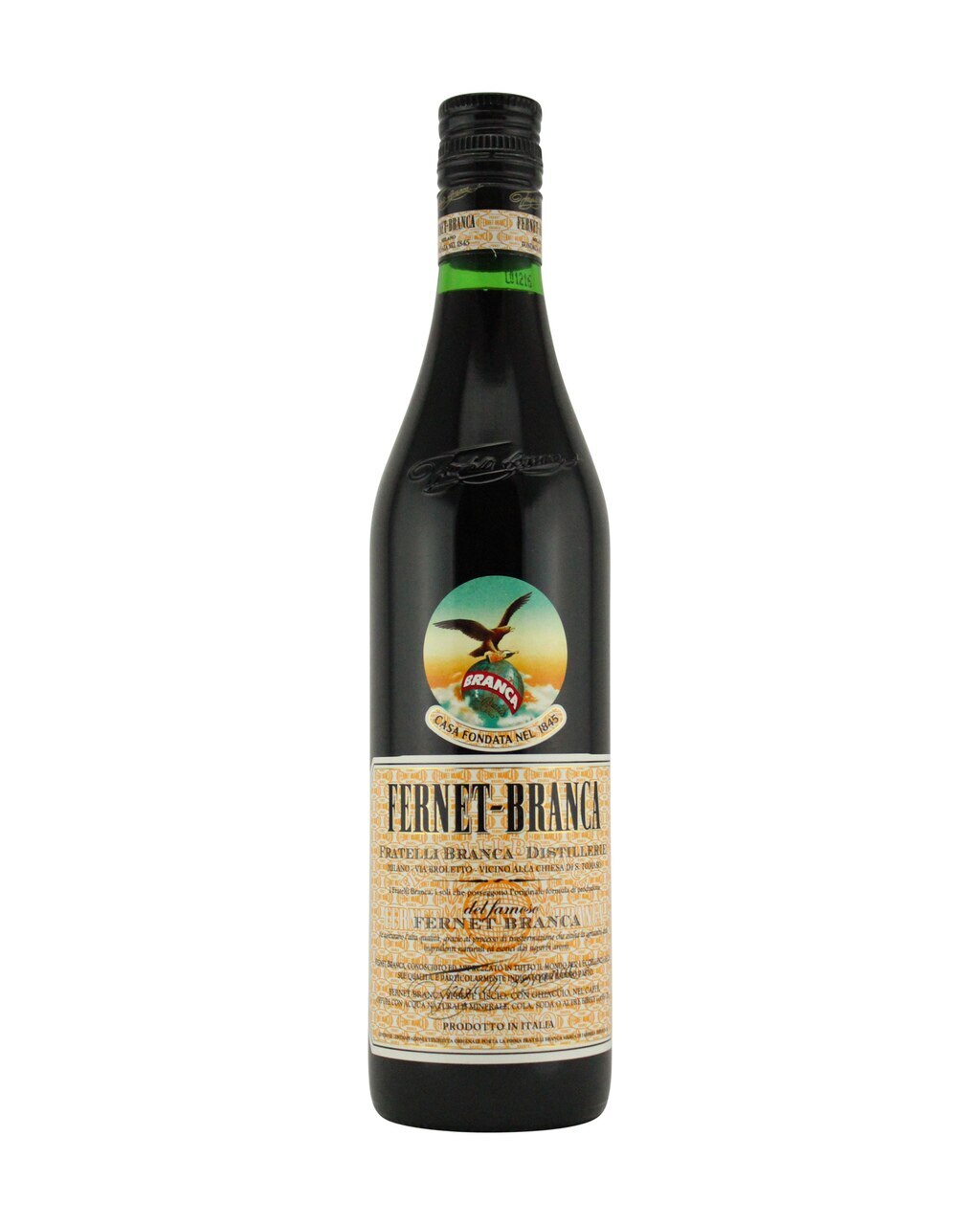
The intense, unapologetic peak of the amaro world. Fernet is aggressively bitter, dark, and viscous. It layers sharp, earthy roots like gentian and Chinese rhubarb with intense, medicinal notes of peppermint, saffron, myrrh, and aloe.
Examples: Fernet-Branca, Beechworth Bitters Company Up To Eleven
Rabarbaro
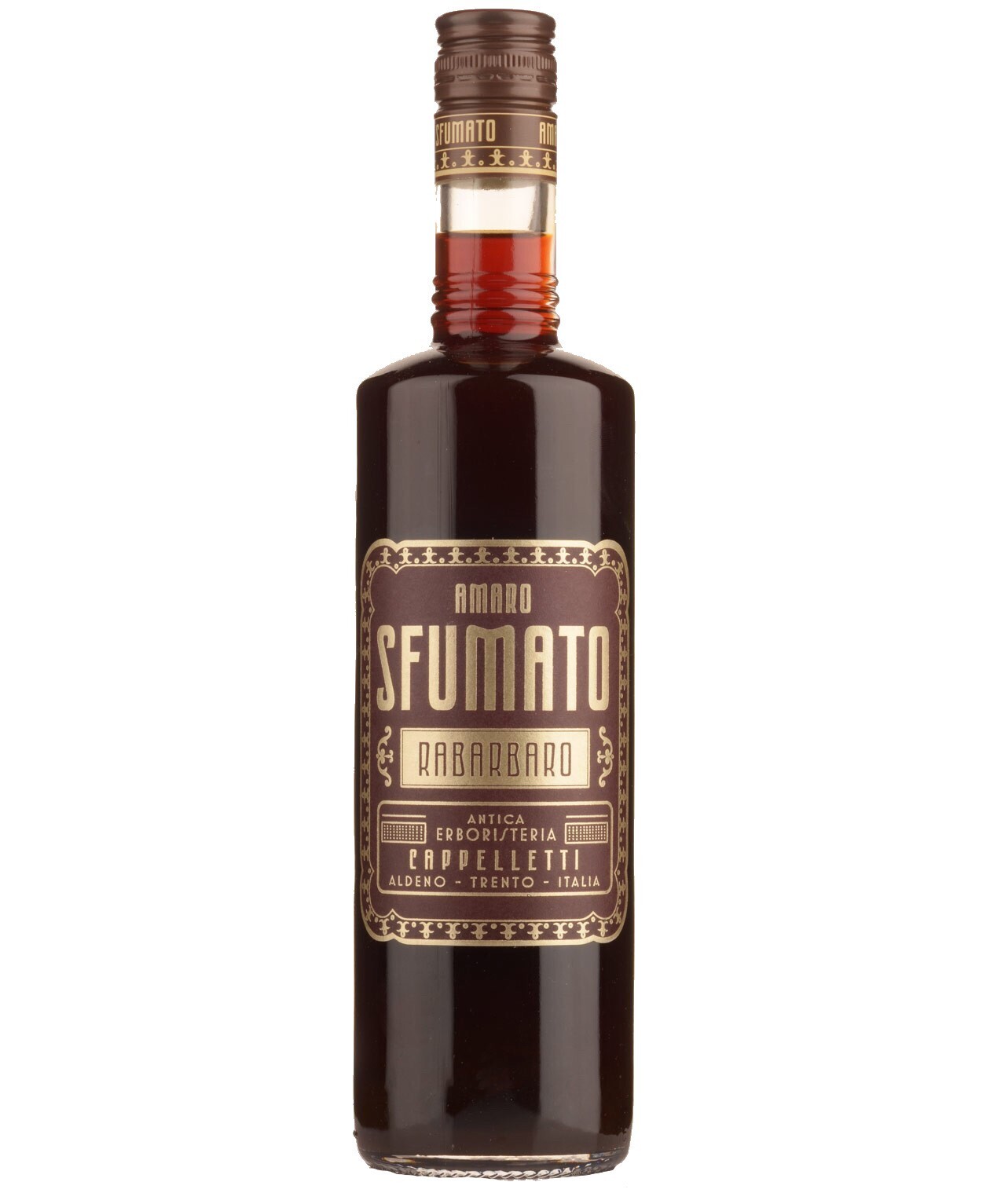
This style crowns Chinese rhubarb root as its hero ingredient, resulting in a smoky, medicinal, and deeply earthy bitterness. Take note: this is made from a specific dried medicinal root, not the common garden rhubarb stalks used in pies, whose roots and leaves are actually toxic.
Examples: Sfumato Rabarbaro, Nardini Rabarbaro, Zucca
Check Out Our Full Amaro Range